
About Zembrin®
From indigenous knowledge to modern neuroscience, the story of Zembrin® spans centuries of tradition, scientific discovery and ethical innovation.
From South Africa to the World
Today, Zembrin® is used by wellness and health brands around the world, bringing together traditional knowledge, modern science and responsible innovation in a uniquely South African story.
From dietary supplements and functional foods to cognitive wellness products, Zembrin® continues to support new approaches to emotional wellbeing, calm focus and cognitive performance.
The Origins of Calm
Long before it was studied in laboratories, Sceletium was valued by the Khoi and San peoples of Southern Africa. Traditionally prepared and used to promote calm, focus and emotional balance, it formed part of a rich botanical knowledge passed through generations.
From Tradition to Discovery
For centuries, knowledge of Sceletium was shared through observation, experience and oral tradition. As explorers, botanists and researchers began documenting Southern Africa's unique flora, interest in this remarkable plant gradually extended beyond its place of origin.
What began as indigenous knowledge would eventually inspire scientific investigation, laying the foundations for modern research and the development of Zembrin®.

The Birth of Zembrin®
Building on centuries of traditional knowledge and growing scientific interest in Sceletium, researchers set out to create a standardised extract that could be consistently studied and manufactured.
The result was Zembrin® — the world's first patented and standardised extract of Sceletium tortuosum, developed to meet the highest standards of quality, safety and scientific validation.
Science with Purpose
Zembrin® was developed with a vision that extends beyond scientific innovation alone. From responsible cultivation practices to benefit-sharing partnerships, its development reflects a commitment to both people and place.
Working closely with the South African San Council, HG&H Pharmaceuticals established a pioneering benefit-sharing agreement that recognises the traditional knowledge that first brought Sceletium to wider attention. Combined with sustainable farming and rigorous quality standards, this approach helps ensure that the story of Zembrin® remains rooted in respect, responsibility and long-term stewardship.
Key Milestones in the Zembrin® Story
From traditional botanical knowledge to globally recognised innovation, these milestones trace the development of one of the world's most researched Sceletium extracts.

Dutch East India Company traders recorded the use of kanna among indigenous communities in Southern Africa.

Swedish botanist Carl Peter Thunberg documented the use of Sceletium by Khoi Khoi communities and recorded its traditional applications.
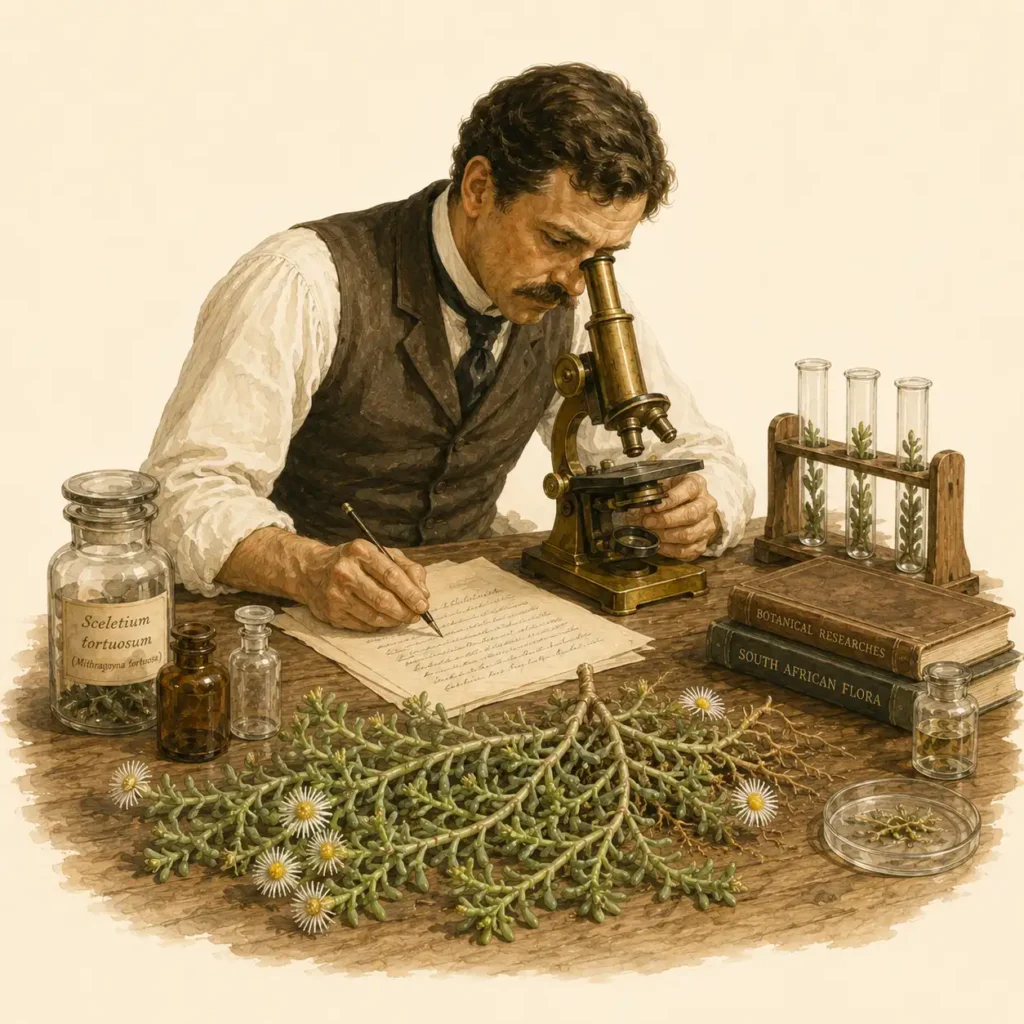
Isaac Meiring published one of the earliest scientific reports on Sceletium in the Transactions of the South African Philosophical Society.
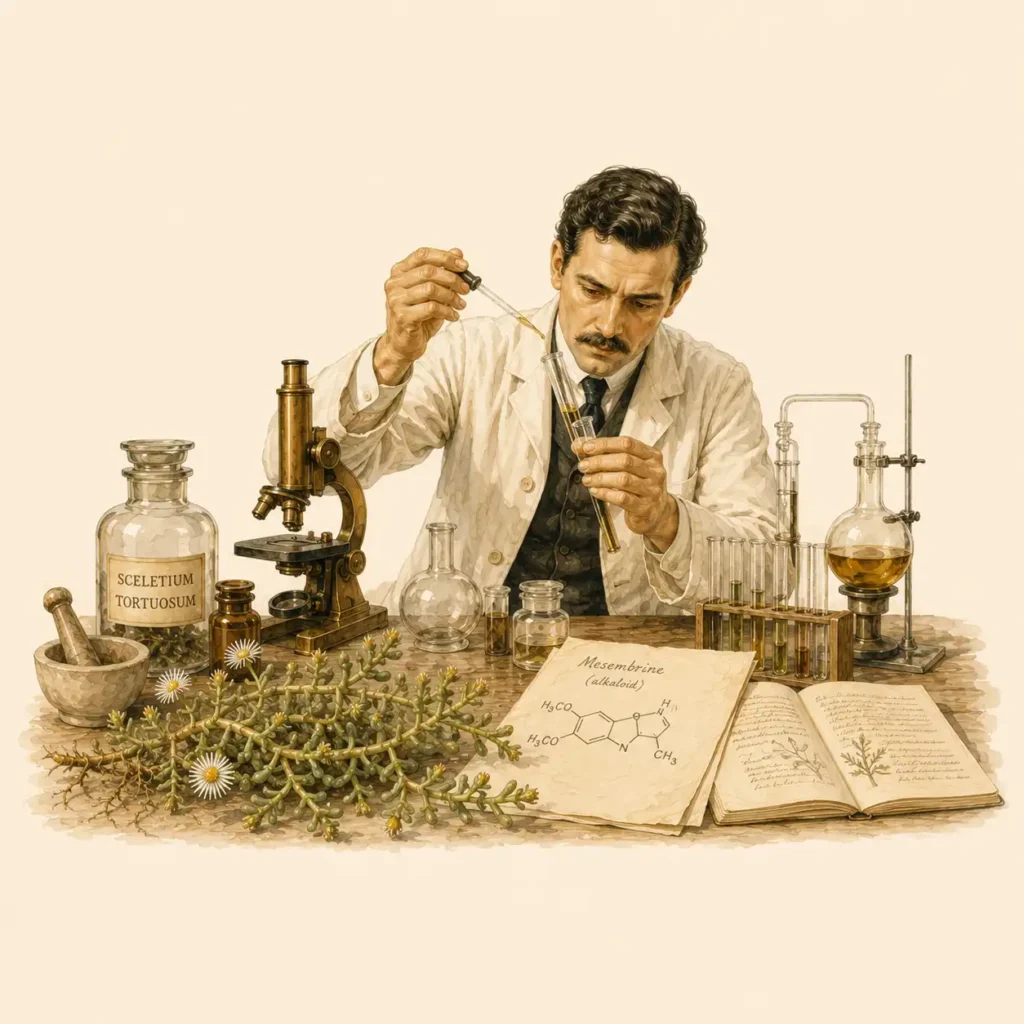
Research identified the primary alkaloids within Sceletium and helped establish the scientific basis for future investigations.
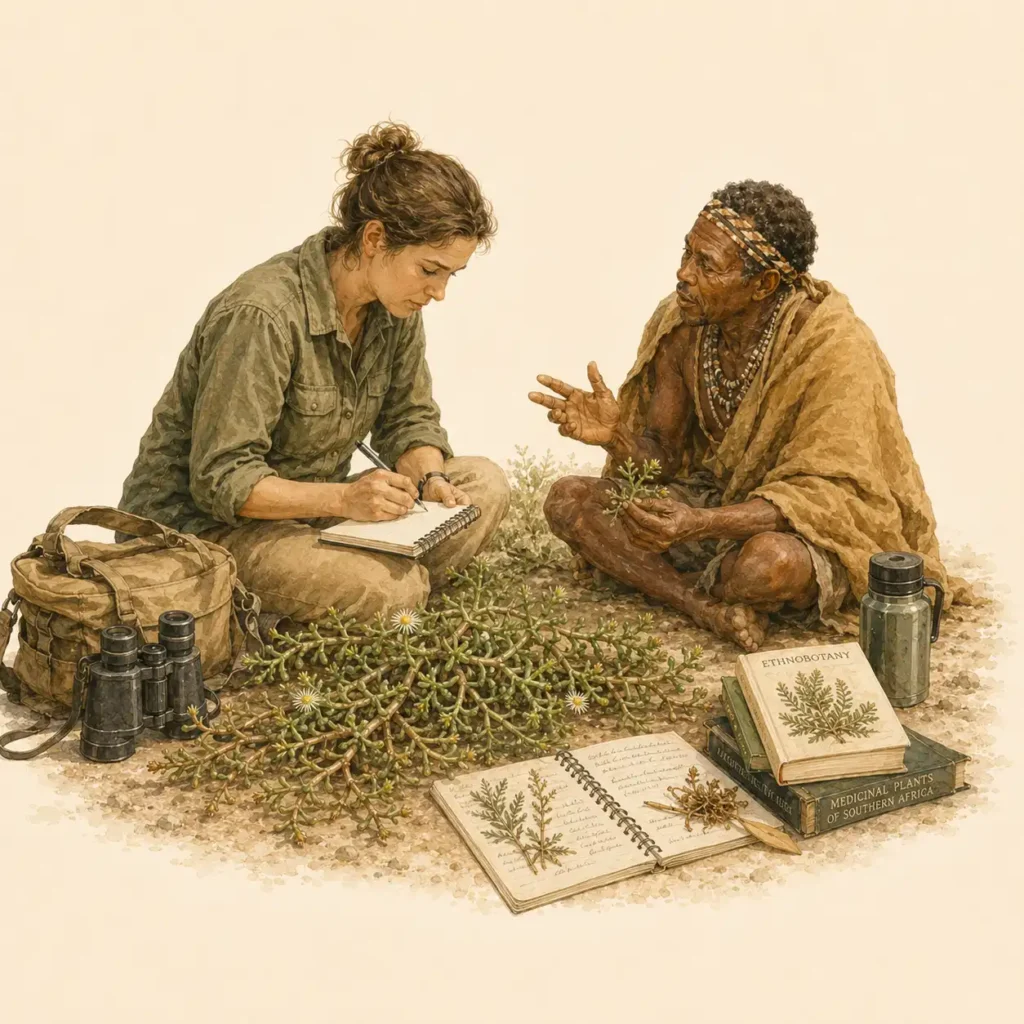
Ethnobotanist Fiona Archer and other researchers documented indigenous knowledge and traditional preparation methods.
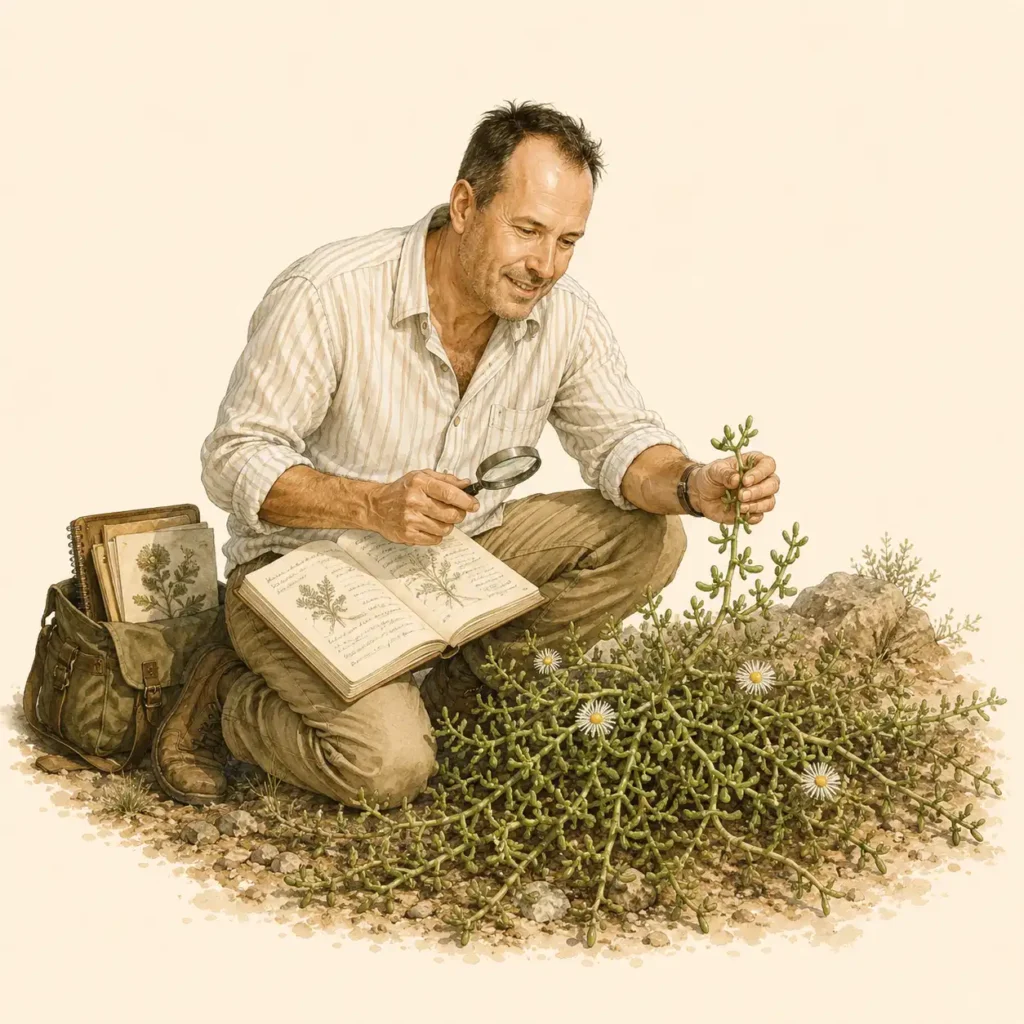
Dr. Nigel Gericke and collaborators began investigating Sceletium's safety, traditional use, and potential applications.
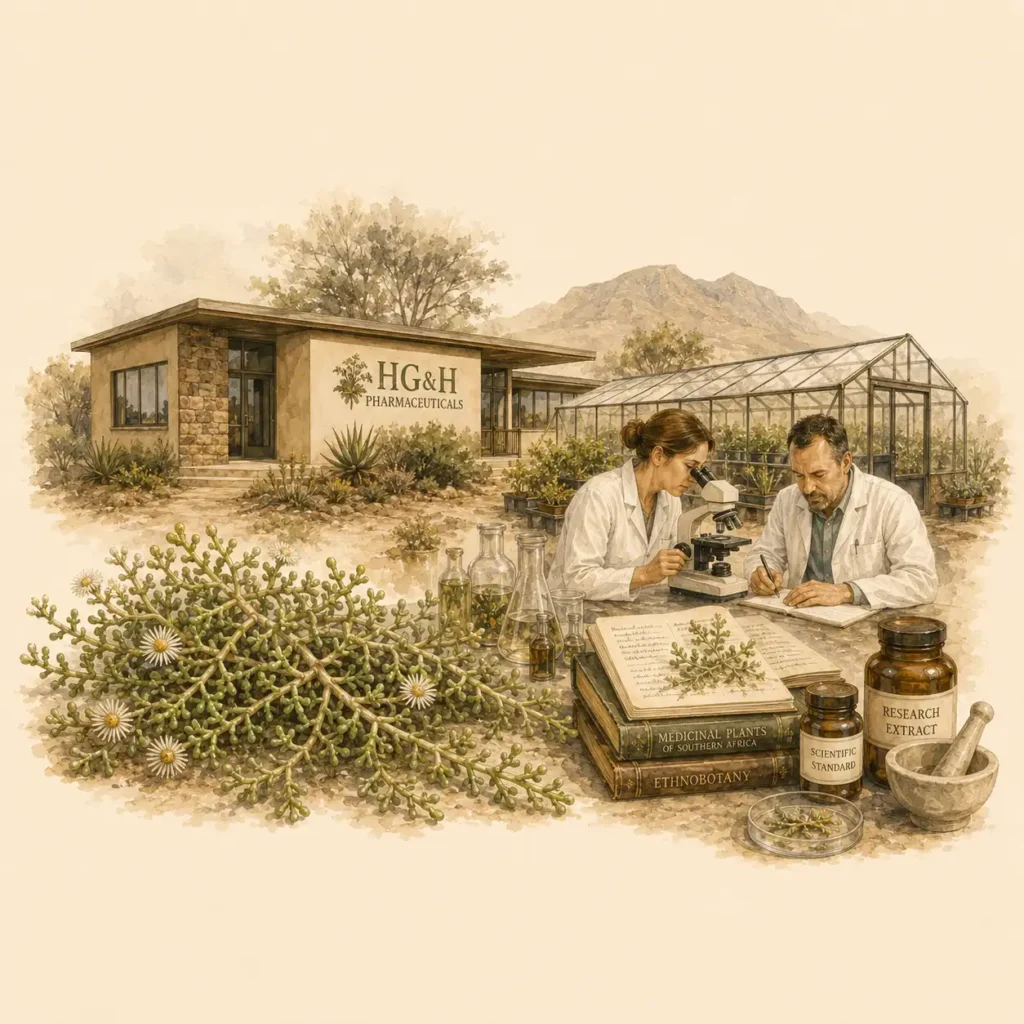
HG&H Pharmaceuticals was established to further research, cultivation, and development of Sceletium-based products.

A landmark benefit-sharing agreement was signed, recognising traditional knowledge and ensuring fair participation.
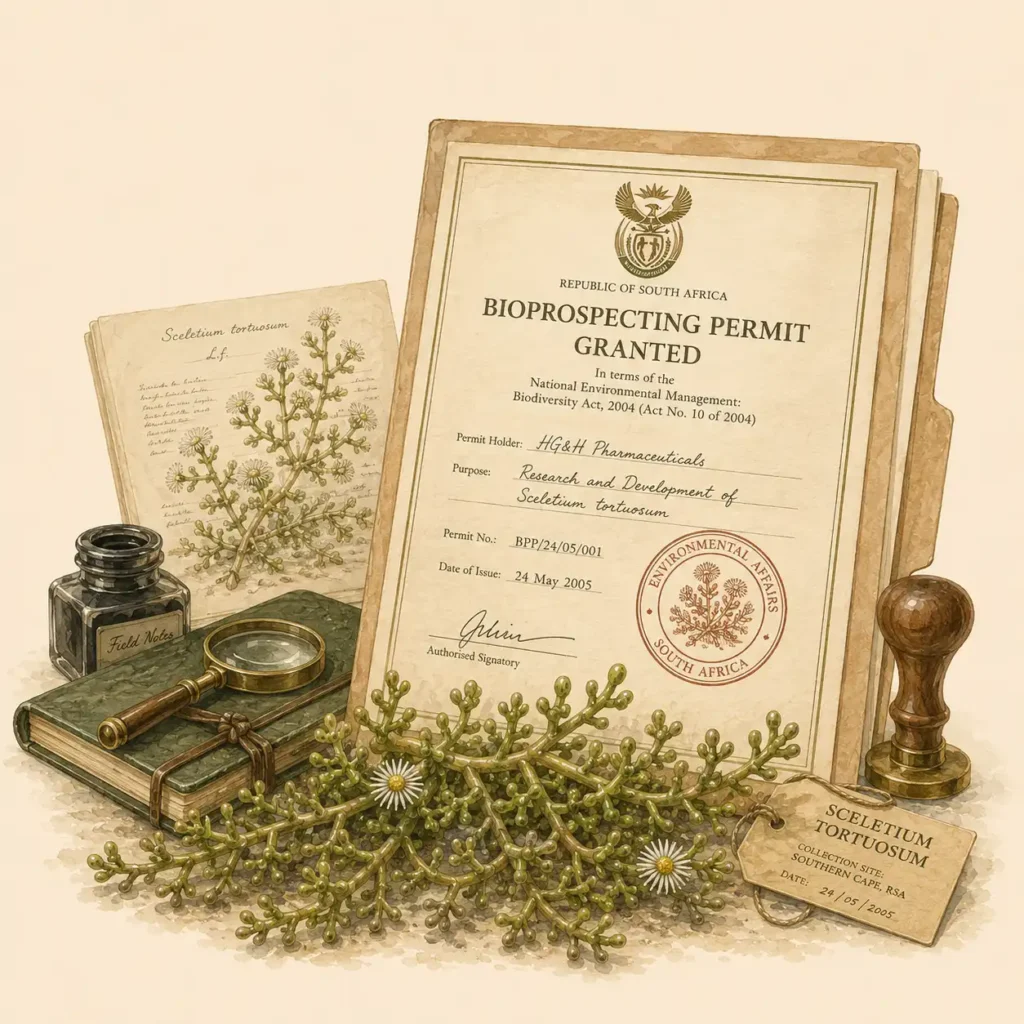
HG&H received South Africa's first bioprospecting permit for the cultivation and research of Sceletium tortuosum.

Zembrin® launched as a standardized, clinically researched Sceletium ingredient available to global markets.
A South African Story. A Global Ingredient.
From indigenous knowledge and ethical cultivation to scientific validation and international recognition, Zembrin® continues to build on a unique legacy of innovation, responsibility and wellbeing.